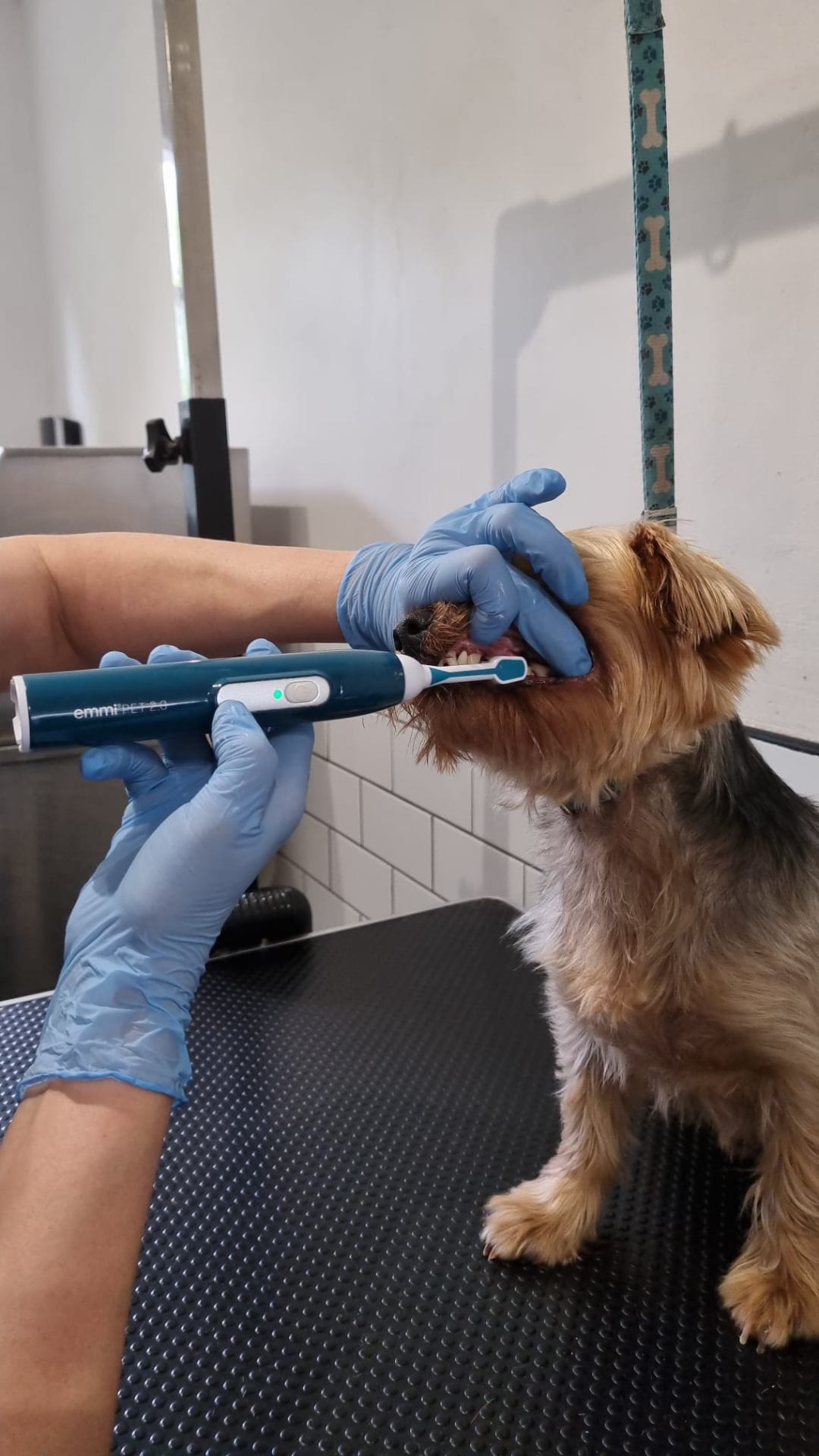
For decades, traditional veterinary dental procedures have required general anaesthesia, creating barriers for many pet owners concerned about safety risks. Anaesthesia-free dental cleaning represents a revolutionary approach that eliminates these concerns while providing effective oral care for dogs of all ages and health conditions.
What are the risks of traditional dental anaesthesia?
While modern veterinary anaesthesia is generally safe, it does carry inherent risks that can be particularly concerning for certain dogs. Understanding these risks helps explain why anaesthesia-free alternatives have become increasingly popular among conscientious pet owners.
High-Risk Categories
Additional Concerns
• Extended recovery time
• Pre-anesthetic blood work requirements
• Higher cost due to monitoring needs
• Stress on both pet and owner
• Potential for complications
What is anaesthesia-free dental cleaning?
Anaesthesia-free dental cleaning, also known as non-anesthetic dental scaling (NADS), is a gentle approach to maintaining your dog's oral health without the need for sedation or general anaesthesia. This method relies on specialized techniques and equipment designed to clean teeth while the dog remains fully conscious and comfortable.
The process involves careful restraint techniques, positive reinforcement, and advanced cleaning technology such as ultrasonic systems that make the procedure gentle enough to perform on awake animals. Professional practitioners are specially trained to read canine body language and ensure the dog's comfort throughout the process.
Stress-Free Experience
Dogs remain calm and comfortable throughout the procedure, often enjoying the gentle attention and handling from trained professionals.
What are the benefits of anaesthesia-free cleaning?
Eliminated Anesthetic Risks
No risk of anesthetic complications, making it safe for dogs of all ages and health conditions, including those who cannot tolerate anaesthesia.
Reduced Stress
No overnight fasting, no separation anxiety, and dogs can go home immediately after treatment feeling normal and comfortable.
More Frequent Care
Safety allows for more regular cleanings, leading to better overall oral health and prevention of serious dental disease.
Cost-Effective
No pre-anesthetic blood work, monitoring equipment, or recovery time means lower costs and more accessible care.
Which dogs benefit most from anaesthesia-free cleaning?
Senior Dogs
Dogs over 7 years old face increased anesthetic risks due to:
- • Slower metabolism
- • Potential organ function decline
- • Increased recovery time
- • Higher complication rates
Health-Compromised Dogs
Dogs with existing conditions benefit greatly:
- • Heart disease patients
- • Kidney/liver dysfunction
- • Respiratory issues
- • Diabetic dogs
Anxious or Fearful Dogs
Gentle approach helps nervous dogs:
- • No overnight stays
- • Familiar environment option
- • Gradual acclimatization
- • Positive reinforcement
Important Note:
While anaesthesia-free cleaning is beneficial for most dogs, it's important to have realistic expectations. Dogs with severe dental disease, aggressive behavior, or those requiring extractions may still need traditional anesthetic procedures. A professional assessment will determine the best approach for each individual dog.
What happens during an anaesthesia-free cleaning?
Before the Appointment
During Treatment
After Treatment
Dogs can resume normal activities immediately after anaesthesia-free cleaning. There's no recovery period, no grogginess, and no special care requirements. Many dogs are more energetic and comfortable immediately following treatment due to the relief from dental discomfort.
What are the limitations of anaesthesia-free cleaning?
While anaesthesia-free dental cleaning offers numerous benefits, it's important to understand its limitations. This approach is most effective for routine maintenance and mild to moderate dental issues.
When Traditional Anaesthesia May Be Necessary
• Severe periodontal disease requiring deep cleaning
• Tooth extractions or oral surgery
• Extremely aggressive or fearful dogs
• Extensive tartar buildup requiring intensive scaling
• Dogs that cannot tolerate any restraint
How do you choose the right option for your dog?
Anaesthesia-free dental cleaning represents a significant advancement in veterinary care, offering a safe and effective alternative for maintaining your dog's oral health. For many dogs, especially seniors and those with health concerns, it provides access to professional dental care that might otherwise be too risky.
The key to success lies in early intervention and regular maintenance. By starting anaesthesia-free cleanings before serious dental disease develops, you can help ensure your dog enjoys better oral health throughout their lifetime while avoiding the risks and stress associated with traditional anesthetic procedures.
Consult with a qualified professional to determine if anaesthesia-free dental cleaning is appropriate for your dog. Every dog is unique, and the best approach depends on their individual health status, temperament, and dental condition.
Is Anaesthesia-Free Cleaning Right for Your Dog?
Schedule a consultation to discuss safe, stress-free dental care options for your beloved pet
Book Your Consultation